Meta introduces Muse: a personal AI that keeps working after the app closes
Meta announced its personal AI agent Muse on September 8.[1] The company presented a service that goes beyond answering questions to open a browser, fill out forms and turn a person's goals into action plans.[1] The announcement describes a rollout in the US on iOS, Android and muse.ai, not a worldwide launch that includes South Korea.[1]
Work that continues after the app closes
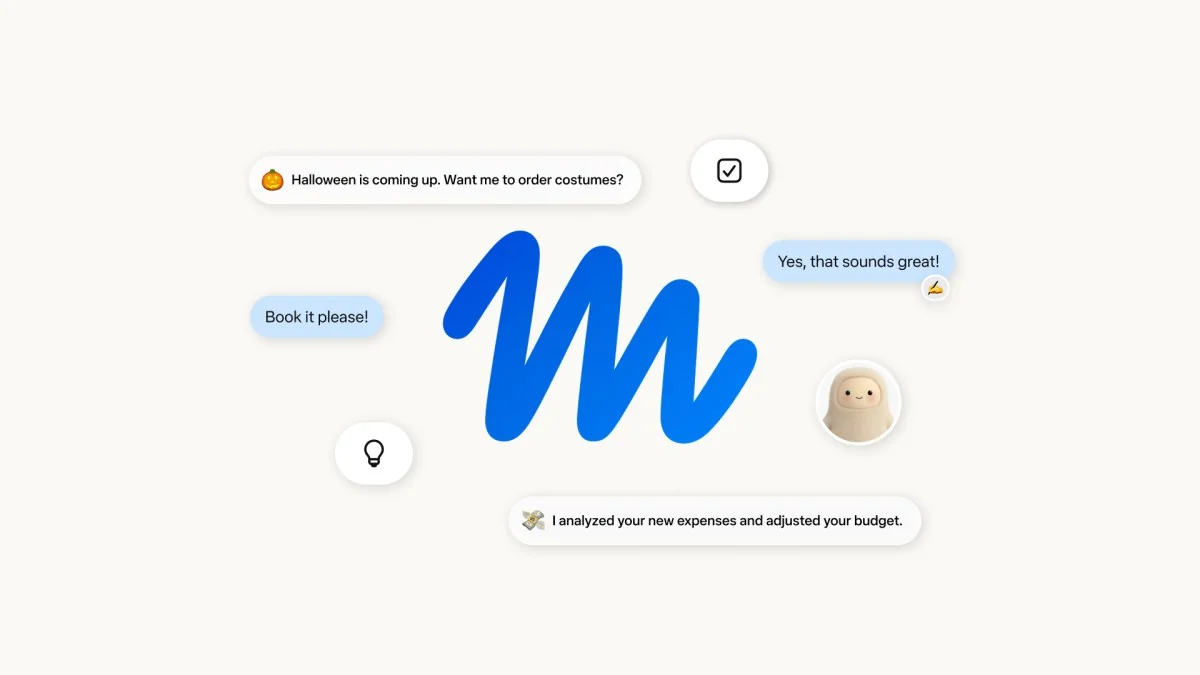
According to Meta, Muse is powered by Muse Spark and accepts requests in the Muse app or WhatsApp, much like messaging a person.[1] It is designed to handle individual tasks such as travel bookings and email, as well as coordinate time and resources for longer-term goals.[1] Meta says longer tasks continue after the app closes, with Muse returning when circumstances change or approval is needed.[1]
However, 'keeps working' should not be read as permission to execute anything without limits. Meta says Muse checks with the user before sensitive actions such as sending email or making purchases, and provides an audit trail of what it has done and plans to do.[1] These are the company's descriptions of its design, not results from GamZip testing the success rate of bookings or payments.
Muse executes; Sentinel monitors
Muse works in a dedicated cloud-based Muse Secure VM with its own browser.[1] Meta says a Sentinel agent, separated from Muse at the system level on the same machine, approves actions that reach the internet and requests human permission when needed.[1] It also says passwords and payment methods are stored separately so Muse can use them without seeing their contents.[1]
Users choose which apps to connect and how much access to grant.[1] For email, for example, they can choose read-only access or allow sending, then change access or disconnect the service later.[1] Meta says conversations and data in the VM are not shared with its advertising systems, and users can opt out of having interactions used to train its AI models.[1]
What is available now, and what is planned
Muse Confidential VM, which encrypts the entire VM with a key held only by the user, was announced for later this year.[1] That protection should therefore not be described as already available in the current Muse Secure VM. Support for AI glasses is also listed as coming soon, a different stage from the current US mobile and web rollout.[1] Meta says Muse is free for most needs, with subscriptions for people who want to do more; this article does not add unverified prices or claims about availability in South Korea.[1]
GamZip analysis: look beyond answers to permissions
The important question in this announcement is less about the chat window than about where actions execute and who gives final approval. Comparing personal agents means checking the separation of read and write permissions, ways to stop work and action logs, not just impressive demonstrations. Before connecting frequently used accounts, it is sensible to review tasks with a small scope first. This article summarizes the official announcement on September 10, Korean time; it is not a hands-on review or a security audit.
Sources
[1] https://about.fb.com/news/2026/09/introducing-muse-personal-ai-agent — Introducing Muse